




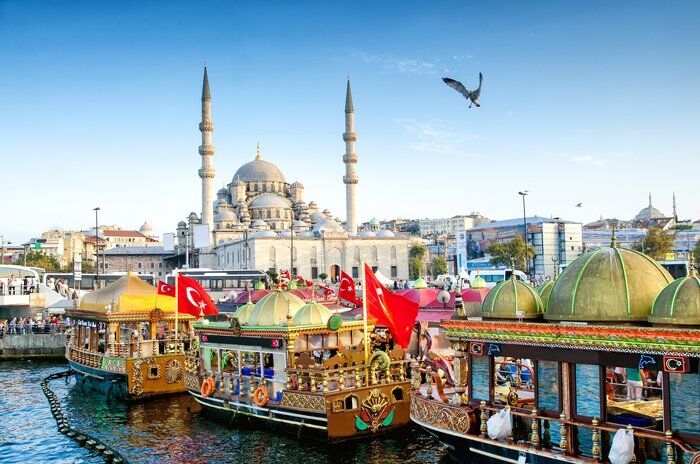
Is Turkey safe right now? Where do the advisories actually apply? Is Istanbul safe for Americans, solo women, families? Honest answers from locals, updated monthly.
“Is Turkey safe?” is the question every traveler abroad asks before booking from the US, Canada, the UK, India, Pakistan and everywhere else. And it deserves a better answer than either a scary headline or a tour company’s “everything is perfect!” so here is the honest one, from people who live here, with the official advisories quoted straight and the geography explained properly.
The short answer: yes, the Turkey you are planning to visit Istanbul, Cappadocia, Ephesus, Pamukkale, Antalya and the coasts is open, calm and operating completely normally, and millions of travelers are here right now. But one region of the country carries a genuine “Do Not Travel” warning, and an honest guide tells you exactly where that line is.

What Do the Official Advisories Actually Say?
As of this update, the US State Department rates Türkiye at Level 2 Exercise Increased Caution” for the country overall. For perspective: that is the same level as France, Spain, the UK and most of Western Europe. Level 2 is the normal rating for almost every major destination on earth right now.
Within that, there is one sharp exception: a Level 4 “Do Not Travel” advisory for southeast Türkiye the provinces along and near the Syrian and Iraqi borders due to terrorism and regional armed-conflict risk following the Middle East tensions that escalated in early 2026. The US consulate in Adana suspended services in March; Americans are advised to avoid the southeast region entirely.
The UK, Canadian and Australian advisories draw essentially the same map: normal precautions for the tourist belt, avoid the far southeast and the immediate border zones.
Read the originals always: travel.state.gov (US), gov.uk/foreign-travel-advice (UK), and your own government’s advisory. We quote them honestly, but your government’s page is the source of truth, and it changes faster than any blog.
The Geography Nobody Explains Properly
Here is what headlines never show you: Turkey is enormous wider than the distance from London to Rome. The Level 4 southeast region and the tourist belt are on opposite ends of the country:
Istanbul to the Syrian border: roughly 1,100+ km (about 700 miles) the distance from New York to Chicago, or Delhi to Mumbai
Cappadocia, Ephesus, Pamukkale, Antalya, Bodrum: all firmly in the western and central tourist belt, hundreds of kilometers from any advisory zone
Airports and airspace: Istanbul’s two airports and all major tourist-region airports operate normally on standard corridors
Worrying about Istanbul because of events at the Syrian border is, geographically, like canceling a Paris trip because of something happening in Ukraine. The distance is comparable. That is not spin it is a map.

Is Turkey Safe for Specific Travelers? Honest Answers
Solo female travelers: Yes, with the same street-smarts as Rome or Barcelona. The tourist belt is used to millions of solo women annually; harassment is mostly limited to persistent shop touts, and firm disinterest works. Dress code is a mosque-visit formality, not a street rule Istanbul dresses like any European city.
Families with children: Turkey is one of the most genuinely child-friendly cultures on earth expect your kids to be fussed over, gifted sweets and welcomed everywhere. Practical family concerns (strollers on cobblestones, midday heat) outrank safety concerns by a mile.
American travelers specifically: Yes with the STEP enrollment, the social-media note above, and the southeast exclusion. Americans remain among the largest visitor groups, and the “how do people treat Americans?” worry dissolves in the first çay offered by a shopkeeper. Tourism hospitality here is professional and warm regardless of passport.
Travelers from India and Pakistan: The tourist belt is equally safe and increasingly popular for honeymoons and family trips direct flights, familiar food culture, and halal dining everywhere by default. Check your own government’s advisory and visa rules (Indian citizens have e-visa conditions; Pakistani citizens should check current requirements), and the same regional map applies.
Cruise passengers: Istanbul and Kusadasi port calls operate completely normally, with the standard advisory guidance and none of the affected geography anywhere near the ports.
What Would Make Us Change This Advice?
An honest living article should tell you its own tripwires. We would revise this guidance if advisory levels changed for the tourist belt (not just the southeast), major airports altered operations, or events occurred in tourist zones themselves. None of those apply as of this update. Bookmark this page the date at the top will always tell you when we last checked, and our WhatsApp answers the “is it still fine?” question honestly, every day, including to travelers who never book with us.
Final Word
Turkey in 2026 asks travelers to do one adult thing: distinguish a region from a country. The southeast carries a real warning and we say so plainly including about a site we ourselves promote. The tourist belt, where 99% of visitors go, is running at full, cheerful capacity under the same advisory level as France. Come informed, skip the demonstrations, enroll in your embassy’s alerts, and spend your worry budget on the real dangers: bazaar overspending and baklava.
Questions about your specific route, dates or nationality? Message us on WhatsApp we answer safety questions for free, honestly, whether you book with us or not. It is the best advertisement we have.
Часто задаваемые вопросы
Is Istanbul safe for tourists right now? Yes Istanbul operates completely normally under a Level 2 advisory, the same tier as Paris or London. Normal big-city awareness (pickpockets in crowds) is the practical concern; the city hosts tens of millions of visitors a year.
Is it safe to visit Cappadocia in 2026? Yes Cappadocia sits in central Turkey, hundreds of kilometers from any advisory zone, and operates normally including daily balloon flights in calm weather.
Which parts of Turkey should tourists avoid? The southeast provinces along the Syrian and Iraqi borders, currently under a US Level 4 “Do Not Travel” advisory this includes the Şanlıurfa/Göbekli Tepe region for now. The standard tourist route (Istanbul, Cappadocia, Ephesus, Pamukkale, the coasts) lies entirely outside it.
Is Turkey safe for American tourists? Yes, in the tourist belt with STEP enrollment recommended, distance from demonstrations, and political commentary saved for home. Americans remain one of Turkey’s largest visitor groups and tourism hospitality is warm regardless of nationality.
Is Turkey safe for solo female travelers? Yes, with standard European-city precautions. The tourist regions host millions of solo women annually; persistent sales touts are the common annoyance, not danger. Modest dress is only required inside mosques.
Is Turkey safe for Indian and Pakistani travelers? The tourist belt is safe and increasingly popular halal food by default, direct flights and strong honeymoon infrastructure. Check your government’s current advisory and visa requirements before booking, as entry rules differ by nationality.
Are flights to Istanbul operating normally? Yes Istanbul Airport (IST) and Sabiha Gökçen (SAW) operate normally on standard international corridors, as do all tourist-region airports including Cappadocia and Izmir.
Where can I check the latest official advisory? travel.state.gov for the US, gov.uk/foreign-travel-advice for the UK, and your own foreign ministry’s page. We update this article when advisories materially change the date at the top shows our last review.
Want a Personalized Turkey Travel Plan?
Tell us your dates, interests and budget — our local experts in Istanbul will build a custom itinerary just for you. Honest advice, clear prices, quick reply on WhatsApp.
Chat on WhatsApp →
